Showing posts with label Indian cuisine. Show all posts

Monday, July 13, 2009

Jack of all fruit!

The luscious Mango is generally referred to as the King of all fruit in India. If there is a King of fruit, stands to reason there must be a Jack of all fruit - behold the Jackfruit! This fruit is a particular favorite in India with its buttery yellow, smooth tasting, deliciously sweet sections and large oval crumbly pits, which taste really yummy when smothered in spicy sauces. On the outside the jackfruit looks like a huge prickly pear, hanging low from the trunk of a large perennial tree. Each tree bears many Jackfruit every season. And generally the fruit is so large that one family cannot consume it, so it is usually sold cut. In India, the jackfruit is eaten both ripe (as a fruit) or raw, as in a curry.

The jackfruit is native to southwestern India, Bangladesh, Philippines, Sri Lanka and possibly, east of the Malay Peninsula. It is said to be the largest tree-borne fruit in the world, with its diameter being at least 25 cm. There can be jackfruit measuring as much as 36 kg (80 lbs) weight, 90 cm in length and 50 cm in diameter. The best part of the fruit is that even its seeds have been found to have a high nutritional value. Jackfruits are rich in potassium, phytonutrients, isoflavones, antioxidants and vitamin C with health benefits ranging from anti-cancer to antihypertensive. It is also believed to have anti-ageing properties since the fruit can help slow down the degeneration of cells and make the skin look young and supple.

My trip to Delhi resulted in one of my favorite jaunts, a visit to the local "haat" or weekly market. These haats are the best way to get produce from market to table - direct from the farmer, something like our local farmer's markets. Only, they seem larger than the ones I have attended in the US. Not only that, the haats are almost full to bursting with so many fruit, vegetables, sundry toys, goods and other items that are sold in carts, that they become almost like a trade fair.

During one such visit to a haat, my sister-in-law Kavita, bought some raw jackfruit from the local vegetable vendor who had large, raw, jackfruit in carts. The vendor would cut, weigh and wrap portions of the fruit in old newspaper for each customer. The raw jackfruit is generally used in curries or pickled. I will post my mother-in-law's raw jackfruit pickle recipe in another post.

This is Kavita's recipe for raw jackfruit curry- I can vouch for the yummy taste. I just loved it and thought I would share with my readers so you try this if you ever have an opportunity to buy raw jackfruit.

Here is what you need:
20 2" pieces of raw jackfruit
3 medium onions (finely chopped)
1/2 tsp turmeric
1/2 tsp chilli powder
2 tsp coriander powder
1 1/2 tsp salt
3 tbsp olive oil

Here is how you make this very easy dish:
Steam jackfruit pieces with the turmeric powder until soft - about 10 minutes. In a pan, heat oil. Fry the finely chopped onion. Dissolve chilli powder and coriander powder in 2 tsp water and set aside. Add the steamed jackfruit and the dissolved spice powders. Add salt and saute on slow fire for about 15 minutes. Garnish with coriander leaves and serve hot with rotis or rice.

Monday, March 30, 2009

Curried Yellow Pumpkin - Cooking on a Shoestring Budget

One good thing about the Pumpkin is that while it is abundantly available during the harvest season after Halloween, it is almost as easily available throughout the year. One more good thing is that it is quite inexpensive and easy on your pocketbook. And yet another reason to incorporate pumpkin into your diet is that it chock full of goodness. Not only is pumpkin loaded with vitamin A and antioxidant carotenoids, particularly alpha and beta-carotenes, it’s a good source of vitamins C, K, and E, and lots of minerals, including magnesium, potassium, and iron.

If you've only eaten pumpkin in a pumpkin pie during Halloween, here is a fabulous recipe that will entice your tastebuds and satisfy every craving. This Curried Yellow Pumpkin dish is a wonderfully sweet and spicy dish that will go very well with hot parathas (Indian whole wheat flat bread) or phulka (Indian whole wheat puffed bread). The natural sweetness of the pumpkin is enhanced by the spicy red chili powder. It is a simple dish - a two-minute dish that you can whip together after a long day's work. It is a winner, in terms of taste, nutrition and cost.

You won't believe that it costs so little. I bought a piece of fresh yellow pumpkin at my local supermarket for just $0.99! It served 6.

Here is what you need:
1 large piece (4" X 4") yellow or orange pumpkin (washed, peeled and chopped)
2 tsp red chili powder
1 pinch turmeric powder
1 1/2 tsp salt
1 tsp black mustard seeds
2 tbsp olive oil
Couple of stalks green onions (washed and snipped for garnish)

Here is how you make this:
Heat the olive oil in a pan. When the oil is hot, add the black mustard seeds. Wait until they crackle and add the chopped pumpkin. Add salt, chili powder and turmeric powder. Coook over low heat until the pumpkin is cooked and soft. Remove from pan and garnish with chopped green onion.

Serve with hot phulkas or parathas.

Cost:
Pumpkin: $0.99
Oil : $0.20
Spices: $0.20
Green onion: $0.10
--------------------------
Total : $1.49 - Serves 6

Tuesday, March 17, 2009

Black Sesame Seeds and Sugar Beet Whole Wheat Fusion Bread - Cooking on a Shoestring Budget

There can be nothing more satisfying than breaking bread with a group of your friends to seal the camaraderie. From time immemorial, breaking bread signifies a shared bond, a sense of togetherness and every warm, fuzzy and friendly feeling.

Baking bread is my favorite pastime. The aroma of freshly baked bread must surely be one of the very best olfactory enticements for a human being. In fact, let me modify that: not just for a human being. The smell of fresh baked bread also entices my normally aloof cat, right onto my lap, licking his chops, smacking his whiskers and staring unblinkingly at my mouth, hoping to grab a fallen crumb!

When I bake, I love to experiment. Mostly, I use a basic bread recipe but will work with a plethora of ingredients, vegetables and spices so I can blend the eastern and western cuisine. And ever since I've switched to whole grains and unrefined carbohydrates, I try to bake bread at home so I can bake with my favorite King Arthur whole wheat flour - so yummy, tasty and oh, so satisfying!

Home-baked bread has many advantages: the aroma of the bread that fills the house for at least a day, the satisfaction of being an "artist" and a "creator", the knowledge that you can control what goes into your body, and best of all, since we are on our Shoestring series - the cost of the bread!

So go ahead and try this wonderful Fusion recipe of Black Sesame seeds and Sugar Beet Whole Wheat Bread. The grated sugar beet makes this bread moist and soft, the black sesame seeds add the crunch, and the whole wheat gives it bulk and texture.

This bread will assault all your senses - visual, olfactory and sensory. It looks enticing with the glorious red of the sugar beets, the shiny black of the sesame seeds, and the earthy brown of the whole wheat. It smells simply heavenly. And it is tasty and filling. In addition, it is healthy and low-fat. What more reason do you need to try this out on a Sunday afternoon?

Here is one more: it costs $1.40 and makes about 25 - 27 slices. Each slice is so filling that you can only eat a slice for each meal. That makes it $1.40 for 25 servings!

So without more ado, let's start.

Here is what you need:
3 cups King Arthur whole wheat flour
1/4 cup + 1 tsp sugar (brown sugar, if you want to ensure the bread has no whiff of refined stuff!)
1 tsp salt
3 tbsp olive oil
1/2 medium sugar beet (peeled and grated fine)
1/4 cup + 1 tbsp black sesame seeds
1 cup water
1 tbsp active dry yeast
1 egg white

Here is how you make this:
Heat one cup water in the microwave until warm. Test the temperature by dabbing a drop onto your wrist. The water should be just warm and bearable. Add 1 tsp sugar, salt and active dry yeast to the water and let sit for about 10 - 15 minutes in a warm place until the water froths up.

In a large bowl mix together the whole wheat flour, 1/4 cup sugar, olive oil, grated sugar beet and 1/4 cup black sesame seeds. Slowly add the yeast mixture and knead thoroughly. Cover with a clean, wet kitchen towel and let sit on your warm countertop for a couple of hours. Punch down, knead, and cover once every hour.

Preheat the oven to 400F. Shape the dough into a loaf. Brush the top of the loaf with beaten egg white and sprinkle with 1 tbsp black sesame seeds.

Bake for about 40-50 minutes until golden brown. Remove from oven, cool and slice. Store wrapped in an aluminum foil for upto a week.

Cost:
Whole wheat flour: $0.60
Oil : $0.20
Sugar : $0.10
Beet : $0.30
Sesame seeds : $0.10
Yeast : $0.10
--------------------------
Total :$1.40 - Serves 25 - about $0.05 to $0.06 a slice!
-------------------------

Saturday, February 21, 2009

Sweet Potato Spicy Soup

Winter days always bring to mind, images of my older sister, wrapped cosily in a blanket, on a "charpoy" (rope cot) placed on the lush green lawn, sunning herself after a wonderful lunch.

Those were the days we used to live in Jodhpur, a city in the desert state of Rajasthan. Summers in Rajasthan were usually spent indoors to avoid the frequent sandstorms and blistering heat. But we invariably spent the winters outdoors taking in the sun!

The winter sun in Jodhpur was warm without being too hot and bright without being too dazzling. And Sunday afternoons in winter were meant for dozing in the sun, replete after a great meal. Winter meals too, were different from summer meals. Summer meals were light and cooling with lots of liquids and juices. In winter though, we could indulge in the winter vegetables that were available in plenty: the squashes, pumpkins, the gourds and the sweet potatoes. Sweet potatoes were our favorite dish for the winter. They were usually brought in fresh from the fields with the mud still sticking to them, by the local farmers pushing their hand carts.

Sweet potatoes are one of the healthiest vegetables you can eat. They contain almost twice the recommended daily allowance of vitamin A, 42 percent of the recommended daily allowance for vitamin C, four times the RDA for beta carotene, and when eaten with the skin, sweet potatoes have more fiber than oatmeal. All these benefits for only about 130 to 160 calories!

In honor of my sister, here is a recipe for a sweet and spicy winter soup: this is a low calorie, zero fat meal by itself. It is also very quick and easy-to-make. Serve with bread or just eat it hot off the stove!

Here is what you need:
1 large sweet potato
1/4 cup pink lentils
1 habanero or jalapeno (optional - beware the habanero is very spicy!)
2 medium sized tomatoes
2 - 3 cups water
1 tsp salt
1 tsp red chili powder (if you are omitting the habanero or jalapeno)
1 tsp turmeric powder

Here is how you make this:
Wash and chop the sweet potato. Do not remove the skin. Wash the pink lentils. Add everything in a large pot and cook until the sweet potatoes and pink lentils are soft. Serve hot.

Wednesday, February 18, 2009

Sugar Beet Dessert - Payasam

Are you one of those people who think that Beets are only useful for making sugar because of their high sugar content? If so, you have sadly underestimated this wonderful vegetable.

Beets contain a powerful cancer-fighting pigment called Betacyanin. In addition, Beets protect against heart disease, help lower cholesterol levels, especially triglycerides by nearly 40%, and because of their high folate content, help protect against birth defects. Eating folate-rich foods is especially important during pregnancy since without adequate folate, the infant's spinal column does not develop properly and leads to a condition called neural tube defect. The daily requirement for folate is 400 micrograms. Just one cup of boiled Beets contains 136 micrograms of folate.

So here is your excuse for making this very tasty, calcium-rich, healthy, easy-to-make dessert. Try enticing your children with this payasam. They are sure to love it and ask for more. This is also a wonderful dish to make with your young children. Set them to work grating the red beet with a hand grater. They'll love the mess of having the juice run down their arms and stain their hands! Beats finger painting with chemical paints hands-down! :)

Here is what you need:
1 large beet (peeled and grated fine)
1 cup sugar
1 1/2 cups whole milk
1 tbsp coconut powder (optional)

For the Garnish:
1 tsp cardamom powder
8 - 10 cashews (chopped)
handful golden raisins
1 tbsp butter

Here is how you make this:
Place the grated beet in a large pan. Add milk, coconut powder and sugar bring to a boil. Lower the heat and simmer until the beet is cooked soft and well blended. Remove from the stove.

In another pan, melt the butter. Add the chopped cashews and fry golden brown. Add the raisins and fry for about 20 seconds until the raisins puff up. Remove from the stove and pour the garnish over the payasam. Sprinkle cardamom powder and serve hot or cold.

Monday, February 9, 2009

Radish Greens Stuffed Whole Wheat Bread

I am a big sucker for gourmet produce stores. The sensory thrill of shopping at a store which is bursting the seams with a large variety of vegetables, fruit, prepared foods, cheese and wine, is a high that cannot be matched. :)

Entering a store like Nino Salvaggio's, Papa Joe's or Whole Foods, is an assault on all the senses. The sight of row upon row of shelves stacked almost to the ceiling with all kinds of vegetables in a multitude of colors, the aroma of the fresh, cool, and calming greens, the taste of slices of sweet fruit and slivers of gourmet cheese, the din of the vast crowds of shoppers, the exchange of pleasantries and shop-talk about unfamiliar vegetables with strangers... it is an experience that I love.

Despite the fact that these stores are usually expensive, I manage to shop frugally. I'll let you in on a secret - the trick is to buy whatever is in season - invariably only those vegetables that are not in season are expensive. The rest of the vegetables are usually priced to match the other local big chain grocery stores.

In addition, when I shop for vegetables, I usually look for value. For instance, I love "mooli parathas" (Radish Stuffed Whole Wheat Bread) and will usually pick up a bunch of long white radish for a dollar or two. And if I buy the same radish at a gourmet store, I'll get it with the leaves intact. I know I can use those leaves for something, so I actually end up making two dishes for the price of one vegetable.

So here is my original recipe using Radish Greens. The parathas were mouth-watering - crisp, colorful green parathas stuffed with nutrients like Vitamin C, protein and calcium. In fact the greens (that we generally throw away) are a better source of nutrients than the roots.

Please feel free to share this recipe. As noted in the copyright listed on the site, all I ask is that you indicate the source and share the link to this site. :)

Here is what you need:
1 bunch Radish Greens (washed and chopped)
2 cups whole wheat flour (I recommend my favorite King Arthur Whole Wheat)
1/2 tsp salt
Olive oil to make parathas

Here is how you make this:
Blanch the Radish leaves in hot water. Place in a blender and puree. Now add the Radish greens puree in the wheat flour along with salt and knead to a smooth dough. You may not need to add any water since the liquid in the puree may be adequate for a soft dough. Set aside for 1 hour.

Heat a non stick pan until hot. In the meantime, make small orange sized balls of the whole wheat dough. Dip the balls in flour and roll out into rounds shaped like a flat tortilla.

Dab the dough round with ½ tsp of oil. Fold over and enclose the oiled portion completely. Roll out again into a square or round shape. Place on the hot pan. Cook one side for half a minute. Flip over and spread 1/2 tsp oil on the side facing up. Now flip over again and spread oil on the side facing up so that both sides have oil. Toast on medium hot until crisp and brown.

Remove from the pan and serve hot with either Green apple in yogurt sauce, Potatoes in a jiffy - Paani Aloo or Sweet Green Chili pickle.


Wednesday, January 21, 2009

Spiced Yogurt Rice - Thair Sadam

People in some communities in Southern India, usually eat a 3-course meal for lunch everyday. Now, this information could probably make you wonder how they manage to keep slim. But that is a long story meant for another blog post.

They generally start off with rice, vegetables and a spicy tamarind sauce called "sambar", pronounced "saaam-baaar" and made with tamarind, lentils, some vegetables and a special spice mix called, guess what? sambar powder! :) My mother makes the sambar powder at home in huge quantities so she can provide a year's supply to me and my sisters. The 2nd course is another spicy sauce in soup-like consistency made in a large variety of flavors. This is called "rasam".

The grand finale of the meal is the most important "thair sadam" pronounced "thaaa-yir saaadam" or yogurt and rice. If one is in a hurry and has no time for the 3-course meal, the first two courses may be omitted. But no responsible Indian housewife will let her child or husband go out the door before filling their stomachs with thair sadam. It is considered the panacea of all illnesses, the most complete and healthy dish.

Now, on a day-to-day basis, South Indians will just ladle home-made yogurt onto rice, mix and eat it with some pickle or vegetable of the day. But there are times when the same bland thair sadam is made into a festive dish. Today's recipe is this festive thair sadam. I made this with brown rice, but feel free to try it with either white or brown rice. If you've been following my blog so far, you'll probably know that I am a big fan of brown rice, but this is one rice dish that I would recommend you try with white rice first, since it tastes simply fantastic!

Eat and enjoy with the crisp curried potatoes or the green beans. This recipe is dedicated to my friend, Jeff, since this is one of his favorite dishes.

Here is what you need:
1 cup cooked rice (white or brown) (make sure the rice is a bit overcooked and very tender)
1 1/2 cups thick unsweetened yogurt
1 tsp salt
1/2 tsp sugar (optional)

To Garnish:
1 tsp Olive oil
1/2 tsp black mustard seeds
1/2 tsp split, peeled urad dal (optional)
1 pinch asofoetida powder
1 habanero or jalapeno pepper (chopped fine) (optional, if you dont like spicy food)
1 sprig curry leaves

Here is how you make this:


Cool rice completely after it is cooked. Mix in the yogurt, salt and sugar. Heat oil in a pan. When oil is hot, add the mustard seeds. Wait until they crackle and add chopped habanero pepper. Fry until crisp. Now add the curry leaves. Fry until crisp. Add urad dal and brown. Add asofoetida powder and take the pan off the stove.

Pour garnish over the yogurt rice and serve with crisp curried potato or green beans.

Friday, January 16, 2009

Crisp curried potatoes


Most people have a love-hate relationship with the much-maligned, most beloved spud - the potato. Since time immemorial, the potato has graced mankind's table as the number one comfort food. The comfort of eating potatoes, spans cultures, cuisines, class and race.

Why is that? For one, it is available year round. Second, it is cheap. Finally, the carbohydrates in potato are simply wonderful in providing quick and immediate energy.

And now - drum roll please! The good news about this beloved spud: no longer is it considered bad for you.

A new analytical method developed by Agricultural Research Service plant geneticist Roy Navarre has identified 60 different kinds of phytochemicals and vitamins in the skins and flesh of 100 wild and commercially grown potatoes. Analysis of Red and Norkotah potatoes revealed that these spuds' phenolic content rivals that of broccoli, spinach and Brussels sprouts, and includes flavonoids with protective activity against cardiovascular disease, respiratory problems and certain cancers. Navarre's team also identified potatoes with high levels of vitamin C, folic acid, quercetin and kukoamines.

So onward with your love of potato! As long as you eat potato chips and french fries sparingly and stick to recipes that do not load potatoes with fat, you will benefit from potatoes fantastic nutritional value. Here is a time-tested and very very favorite Indian way of eating potatoes. Simple, spicy, crisp and roasted without too much oil and oh! so very satisfying. This is an all time family favorite recipe.


Here is what you need:
3 large potatoes (boiled, peeled and chopped)
1 tsp black mustard seeds
1 tsp red chili powder (reduce this to taste)
1 tsp salt
1/2 tsp turmeric powder (very good for your health for its anti-carcinogenic properties)
1 pinch asofoetida powder (optional - again very good for your health)
2 tbsp olive oil

Here is how you make this:
Heat oil in a non-stick pan. When the oil is hot, add the mustard seeds. Wait for them to crackle and now add the asofoetida powder and the chopped potatoes. Sprinkle turmeric powder, salt and red chili powder. Lower the flame to medium-low and roast on slow fire until crisp. Turn the potatoes at reasonable intervals.

Enjoy!


The best way to eat these crisp curried potatoes is with Southern India's favorite Thair sadam (Garnished yogurt rice). Watch out for my recipe for Thair sadam soon.


Tuesday, January 6, 2009

Greening the Green Beans!

I love green beans, but dislike them when they are fried out of recognition, as is often done in Indian cooking. I especially love the way my mother cuts them - chopped really fine. When you chop green beans really fine, you need to stir fry it for just a few minutes on high heat to bring out the flavor, retain the color and texture and serve it as an accompaniment par excellence - a true gourmet delight!

My mother usually adds a finely chopped carrot to green beans - it makes the dish visually appealing as well as more nutritionally dense. Without much ado, here is the recipe - serve with brown or white rice and any sauce - sambar, rasam, or even with yogurt. This dish has just 1 tsp of olive oil. Low fat, crunchy, flavorful, yummy, and very healthy! Yeah - green beans!


Here is what you need:

1 lb fresh green beans (pick the tender ones which look green and fresh)
1/2 carrot (chopped fine)
1 jalapeno pepper (chopped fine) (optional)
1 habanero pepper (chopped fine) (optional)
1 tsp black mustard seeds
1 tsp urad dal (optional, if you cannot lay your hands on this - but it gives a great crunch to the beans)
1 tsp salt
1/4 tsp turmeric
1 pinch asofoetida powder (helps control the flatulence that beans are known to cause)
2 tbsp fresh grated coconut
1 tsp Olive oil

Here is how you make this:
Rinse thoroughly and chop the green beans fine, as shown the picture. Wash and chop the carrot. In a pan, heat the olive oil. When the oil is hot, add the mustard seeds. Wait until the seeds crackle and then add the chopped peppers and fry until crisp. Frying peppers crisp will make them less spicy. Now add the urad dal and brown on low flame. Now add the chopped green beans and carrot. Add salt and turmeric powder. Cover and cook for a couple of minutes. Now stir fry uncovered on high heat for a couple of minutes. Do not overcook. Take off the stove and garnish with grated coconut.

Serve with rice and rasam or rice and yogurt.

Enjoy!

Saturday, January 3, 2009

Healthy Rice Flakes breakfast

Rice flakes, or Poha, as it is called in Hindi, is one of my husband's favorite breakfast dishes. It is also my favorite dish, simply because it is very very quick and easy to put together on a busy morning and it can also be made healthy and fulfilling by throwing in some crunchy vegetables, as I am usually apt to do. This is also a favorite dish in Western India - my friends from Mumbai make this often for breakfast. The Maharashtrians usually add roasted peanuts for garnish and it tastes simply fantastic with that garnish too.

Here is the all time favorite Poha, made with very little oil. This dish takes just 10 minutes to whip up. Enjoy!

Here is what you need:
1 cup Rice Flakes or Poha
1/2 small chopped onion
4-5 green beans cut into 1" pieces
1 jalapeno slit
1 habanero slit
1" piece grated ginger
1/4 chopped green pepper
1/4 chopped red pepper

1 tsp black mustard seeds
1 tsp salt
1/4 tsp turmeric powder
1 tsp lemon juice
water to moisten the rice flakes
3 tsp olive oil


Here's how you make this:

Add about 2-3 tbsp water to the rice flakes until just moist (be careful to not add too much water - it will get soggy). Set aside for 5 minutes and chop the vegetables in the meantime.

Heat oil in a pan. When the oil is hot, add 1 tsp black mustard seeds. Wait until the seeds pop and add chopped jalapeno and habanero and the grated ginger. Roast for about 20 seconds and add chopped onions. Stir fry for a minute and add the green beans. Fry for another minute. Now add the chopped peppers. Stir fry for another 30 seconds. Now add the moistened rice flakes, salt and turmeric powder. Stir fry for another minute. Take off the fire and sprinkle lemon juice. If you like it the Maharashtrian way, garnish with roasted and coarsely chopped peanuts. Serve hot.

Serves 2.

Tuesday, December 23, 2008

Collar the Collard!

If you are not like my husband, :) you'll probably love to eat your salads. And if you are like most people (including me!), you'll also probably smother those salads with dressings to mask the taste of raw greens and console yourself that some nutrients are getting into your body! :)

Now, there are some greens that I cannot eat raw in a salad. One of those are the Collard greens. I love them, but simply cannot eat them raw, even if smothered with the aforementioned dressings. I especially love them because they are chock-full of nutrients.

Collard greens are rich in sulfur containing phyto-nutrients that help prevent cancer and produce detoxifying enzymes in the body. These enzymes also cleanse the system. This vegetable is a calcium, vitamin K, A, C and Manganese-laden antioxidant-rich member of the cabbage family.

What more can one want?... hmm... Maybe that it tastes fantastic when eaten?

So here is a Jaya's original recipe, just for you. This recipe is very healthy - made with just 1 tsp oil. The combination of habaneros and cranberries in this recipe makes it a naturally sweet, partially tart, partially spicy, smooth tasting dish. The perfect, authentic, sweet and sour dish!

Please feel free to share this recipe. As noted in the copyright listed on the site, all I ask is that you indicate the source and share the link to this site. :)

Here is what you need:
1 bunch fresh Collard greens
1 habenero pepper (chopped finely)(I use the orange variety, but feel free to substitute with red or chocolate habaneros)
2 tbsp dried cranberries
1 tsp cumin seeds
1/2 tsp salt
1 tsp oil
1 tsp sour cream (optional)

Here is how you make this:
Wash and chop the Collard greens. Blanch in hot water. Drain. Place in a blender with salt and blend until smooth.

Heat a pan on the stove and place the 1 tsp oil. When the oil is hot, add the cumin seeds and brown lightly. Now add the chopped habanero and fry until crisp. Tip: Fry the habanero really crisp if you just want the flavor but not much of the spice. Frying well will make it less spicy. Now add the cranberries and stir fry for about a minute. Now add the Collard green puree and simmer for a few minutes.


Garnish with sour cream and serve hot over brown rice.

Tuesday, December 16, 2008

Out of the mouths of babes and sucklings!

"You ARE what you eat!" an 8 year-old voice solemnly proclaimed from the back of my car. I swung around to look at my son's friend, seated next to my son, and nearly hit a curb. Then I turned back to the road and pretended not to hear so the boys could continue with the precocious chatter. Peter went on to say advise my son that if he liked to eat potatoes, he's going to look like a potato!!

Well, nearly everyone in my family likes to eat potatoes and I am determined that we shalln't look like one. :)

If you made the aloo parathas I have described in one of my previous posts, and if you are like me, you would either have extra whole wheat dough left-over or you would have extra spiced potatoes left-over. Now, when you have extra dough left-over, there is no problem at all, just follow the same recipe as aloo parathas and make plain parathas without the stuffing.

But what do you do with left-over potato? I remembered the 8 year-old's advice when I came up with this recipe. Here you go - enjoy these crisp, nutrient rich aloo tikkis without the added fat and huge amount of calories that normally go with the tikkis. Instead of the traditional shallow fried tikkis (cutlets) these are baked with very little oil. Yeah, potatoes without added fat!

Here's what you need:
2 cups spiced potato mixture
1/2 cup bread crumbs
1/2 cup grated carrots
2 tbsp Olive oil

Here's how you make the tikkis (cutlets):


Pre heat oven to 350 F. Mix all the ingredients thoroughly.


Make flat cutlets with the potato mixture. Roll each cutlet in more breadcrumbs.


Brush with Olive oil. Place on a greased tray and bake for about 15 minutes. Take the tray out and flip the cutlets over and bake for another 10 minutes.


Serve with Tamarind date chutney or ketchup.

Thursday, December 11, 2008

Absolutely nutty :)

When I was a tween, one of my favorite pastimes was to spend hot summer afternoons, perching precariously in the crook of the guava tree in the backyard, reading Enid Blyton books.

I was fascinated by one of Enid Blyton's characters, Kiki, the talking parrot, who would always squawk, "Shut the door and wipe your feet!". And when I read the sentence where she tells a guy called Bill, "Bill, pay the bill!", my 10 year old wildly runaway imagination would picture the scene of a grown-up being told to pay the bill by a parrot. I would laugh so uproariously at the thought that I invariably fell out of the guava tree at that juncture. But that's not all I liked about Kiki. What I admired the most was that her loyalty could not be bought even when she was offered her favorite food - a handful of nuts.

Nuts were not just Kiki's favorite food, they also are mine! So, when a cousin came to visit from Canada and showed me this Peanut chutney recipe, I was thrilled. It tastes just fantastic and the very best thing about this recipe is that it has absolutely no oil - zero, zilch! The only fat in this chutney comes from the nuts themselves, which, as we all know is healthy fat.

Here's the what you will need:
1 cup raw peanuts
3 dry red chili
1 tsp salt

Heat a non-stick pan and toast the red chili until they start puffing up. Now add the peanuts and toast for about 5 minutes until peanuts are roasted well. Remove from fire and cool. Place the nuts and red chili in a blender along with half cup water and salt and blend until smooth. Add more water, depending on the consistency you would like.


Serve with Pesarattu (recipe provided on December 7, under the name "Green Revolution")

More tomorrow - Check back for Red pepper Gotsu recipe - hot off the stove!

Sunday, December 7, 2008

Green Revolution

Since I had ruined my good eating habits by succumbing to the sinful Bread Roll yesterday, I was anxious to get back on track with a healthy brunch for my family. The first that springs to mind is a fabulously filling, sumptuous, wonderfully holier-than-thou dish - the great Pesarattu!

Crepes are a dish of pride, not just for the French but also for South Indians. We call it the "dosa" and it is ubiquitously enjoyed all over India. Dosa, with its accompaniments of Sambar (a spicy lentil soup) and chutney (coconut and dal dip) is South India's most favorite dish. If you ever visit Chennai, India's southern metropole, you will find all kinds of dosas, all sizes of dosas at prices ranging from a couple of rupees to nearly Rs. 200, served in every imaginable place - the street side carts, the middle class Saravana Bhavan and Woodlands and even in the upper crust Taj Coromandel.

The Pesarattu is the dosas' cousin from our neighboring state Andhra Pradesh. It is healthier than the dosa - I make it completely with green Moong dal and I cook it in a non-stick pan with very little oil. Here's how:

1 cup green Moong dal
2 dry red chili
1 tsp salt
1/2 cup chopped green cabbage
1/2 cup chopped onion


Soak the Moong dal overnight - cover it with enough water to ensure that the beans dont swell and rise above the water. In the morning, place the Moong along with some of the water and blend to a fine paste along with the red chili and salt. See picture on the right for the consistency of the dough. Now add the chopped cabbage and chopped onion into the mixture.

Heat a non-stick pan to medium heat. Pour in one ladle ful of the green moong mixture on the hot pan and spread thinly. Add a couple of drops of olive oil around edges of the pesarattu. Cook for a couple of minutes and try to pry it loose at one end. If it comes out easily, then slip a spatula under it and flip it over to cook the other side. If not, wait for another minute then flip it over. Cook both sides and serve hot with any chutney or ketchup. You can store the extra dough in the fridge for upto 3 days.

Saturday, December 6, 2008

Taboo fat

When my sisters and I were children, we used to love fried foods. Those were the days before we knew that fat was bad for us. We never felt guilty eating all those delicious fried stuff that Mom regularly made for us.

My mother just loves to cook and she just loves to fry. Ever since she moved to the US to live with me and my sisters, we keep on bugging her to use less oil and not frying anything. And she has been a real trooper about it. She had adapted wonderfully to our cooking styles of using very little oil, frying foods very rarely and still whipping up the most wonderful dishes.

Every once in a while though, she'll succumb to her yearning for making fried foods by convincing my sons that since they are young, they need to enjoy fried foods before they grow older and have to watch their diets. So, whenever Mom visits, I'll buy a 5 gallon jug of Canola oil from Costco. It usually lasts about 6 months and is used only for deep frying. Once Mom leaves to visit one of my sisters, the Canola oil will sit in my larder until I hit one of those days myself, when I want to gorge on fried food.

Yesterday was one of those days. It had snowed heavily the day before and the whole landscape was white. The trees dripped white snow, the lake was covered with snow and everything was sparkling in the bright sunlight. The great outdoors was lit up and dazzling. It was also far below freezing temperatures outside but the house was warm and toasty. Add a furry, lazy feline, begging to be stroked all the time, into the day and it made it just the perfect day for deeply satiating, hot, spicy, easy-to-make bread rolls. My son Karthik enthusiastically seconded the idea and I consoled myself that I was still being good by using whole wheat bread instead of white.

Here's how I made the bread rolls -
For the filling:
2 medium potatoes (boiled and mashed with some lumps)
1 small onion (finely chopped)
1 green chili (finely chopped)
1 tsp salt
1 tsp red chili powder
1/4 tsp turmeric powder
1 tsp black mustard seeds
1 tsp oil

Heat oil in a pan and add the mustard seeds to the hot oil. When they crackle, add the chopped onions and green chili. Fry for a couple of minutes until the onion is brown. Now add the rest of the ingredients including the mashed potato and stir fry until the potato filling is brown and partly crisp.

For the rolls:
4 slices whole wheat bread (you can also use white, rye, multi grain or any other bread you like)

To make the rolls:

Heat enough oil to deep fry. Take water in a bowl and wet a slice o fbread on both sides - just enough to be able to shape it. Be careful not to wet it too much because when you fry wet bread, it will soak up the oil. Now fill the center with potato and shape the roll into an oblong. Here is a picture of how a roll would look before it is fried.

Place in hot oil and fry until the roll is golden brown. Remove from oil and drain on a paper towel. Each slice makes one roll.

Serve hot with tomato ketchup or any sauce.

Thursday, December 4, 2008

Potato, Potaato, Tomato, Tomaato

My lil' sister Indu, is multi-talented. She is a renowned author and writes very fabulous novels. Call me biased, if you will, but she's onto her 4th book now and we are all very thrilled about her books. For my readers with a literary bent, here is a link to the review of her 4th book, "In the Convent of Little Flowers", in the National Geographic.

Now, writing is just one of her talents. The ones I most admire though, are the ones close to my heart: she is a fantastic cook, conscientious home-maker and a simply wonderful mom to her effervescent, sparkling, 2 year old.

As a child, Indu loved potatoes, and she still does. So, when she came over with her family for a visit in the summer, she offered to cook one of her famous potato dishes. One of these days, I expect she'll write a recipe book about 1001 potato recipes - she has that many up her sleeve! Now, the best part of Indu's cooking is that it doesn't require you to go grocery shopping. She'll simply fling together a scrumptious dish with whatever you have in your fridge and larder.

Taking a page out of her book, I decided to try out a new potato dish, since my son too, has taken after Indu in his taste for potatoes. I looked into my fridge and peered into my larder. I decided to whip up this lip-smacking Cilantro-Cilantro seed Potato dish. The double dose of Cilantro simply smells wonderful. Its like baking cookies when your house on the market for sale. The smells waft through your house making it inviting and homey on a cold winter day.

One of the worst enemies to a potato lover's waistline is the added fat that is required to cook potatoes. Try this dish - it has only one teaspoonful of Olive oil!

Cilantro-Cilantro seed Potato curry

You will need:
4 small potatoes
1 tsp Turmeric
1 tsp Oil
1 bunch green Cilantro leaves
2 tbsp Cilantro seeds (see attached photo)
1 tsp Cumin seeds
1/2" piece fresh ginger
1 fresh green or red chili (I use jalapeno or serrano peppers)
1 orange Habenero pepper (because I like it spicy! You can cut this out if you want it mild)

To prepare:
Toast the cilantro seeds on a hot, dry pan until golden brown. Place the Cilantro leaves, toasted seeds, ginger, green chili and habenero pepper in a blender and blend with 1/4 cup water until smooth.
Dice the potatoes. Heat 1 tsp oil in a pan. When the oil is hot, put in the cumin seeds and fry for a few seconds until browned. Now add the potatoes and turmeric and stir fry for a few minutes. Add in the sauce and cover and cook on a slow fire until the potatoes are tender.

Serve hot with parathas (Indian hand-made whole wheat bread)

Monday, December 1, 2008

The unrefined argument

Ever since I found out that my cholesterol was higher than it should be, I started searching the web for natural ways to reduce it by using various dietary options. And listed as one of the most important, was switching to unrefined carbohydrates. For many years now, I have unthinkingly put a lot of refined carbohydrates into my body - white flour breads, naans, refined rice and pasta. I had to consciously plan to replace the refined carbs with unrefined ones.

I started with searching first for the best whole wheat since we eat a lot of rotis. The atta I found in Indian stores seemed very refined to me, despite the fact that the word "atta" is supposed to mean whole wheat flour. So I started searching in the American grocery stores and I found King Arthur Whole Wheat flour and decided to try it for rotis. It is simply delicious! The richness and texture of this flour makes the best rotis, parathas and even naan. Best of all, a 5 lb of King Arthur whole wheat is cheaper than the atta I get at Indian stores. Win, win!

One down.

Next was to replace the much beloved white basmati rice with brown rice. That took some doing simply because white rice is such a staple. My family found it hard to adjust at first too. So I simply made both white and brown rice for each meal and very slowly eased them in to eating brown rice. Right now, I've concocted my own brown rice mixture - Organic short grained brown rice, wild rice and barley pearls in the proportion of 4:1:1. The cooked rice does take on the color of wild rice, kind of purplish but the taste is simply fabulous and it goes very well with sambar, rasam or any curries. It also tastes fantastic when you make the sweet "chakkarai" pongal with it! In fact, the brown rice pongal tastes much better than the pongal made with white basmati. Try it!

I have to check my cholesterol again but regardless of whether these major changes benefitted my cholesterol count, one benefit I received is that I enjoy the tastes and textures much more no

Leftover magic - Fixing the bad dish...

We had dosa for breakfast today. And I was too lazy to make the accompaniments of Chutney, Sambar etc. So, we did what we usually do - use one of the leftover dishes that was bought from a restaurant.

We had been to a Thai place a couple of days ago and ordered a Coconut soup. Looked yummy when it was served, but the cook had had a free hand at the salt - so the dish was too salty. As usual, unless it is very unpalatable, we do not return the dishes, so we ate as much as we could and packed the rest. So, there it was - a salty coconut soup flavored with sliced ginger root and mushrooms, great accompaniment for the dosa but unedible all the same.

I told my son I would fix it but it was already too watery for the time-honored way to reduce salt in a dish - just add water and heat. So I added a teaspoonful of the organic brown rice flour I had bought some time ago and heated the dish in the microwave for about 2 minutes until it was boiling. Took it out, stirred and added more water and heated it for another minute. It was a perfectly fine - the salt had toned down, the consistency was just right and it was perfect with the crisp dosas.

Indian Restaurant food in US

As an Indian living in the US, I am always in search of good Indian restaurants. But somehow the restaurant food always falls short - short in taste, short in flavor, heavy on your stomach, heavy in fat and smothered with masala. One of my pet peeves is overcooking. When food is overcooked, it loses its flavor and its texture. All thats left is mush.

And I feel that restaurant food is not a good representation of true Indian cuisine. Thats why I started this blog... to write about the true Indian cuisine, the multitude of flavors, the multitude of textures, the vast range of spices, and the wonderful tastes and smells.

Our lunch menu today was Roti, Jeera Rice, Dal and Baingan Bharta. I am a big fan of reusing left-overs in other recipes. So I reused left-over brown rice and stir fried it with Jeera to make some yummy Jeera rice.

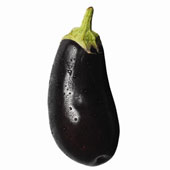
eggplantThen I used one of those large eggplants for the Baingan Bharta. Here's a tip: you can broil it in the oven to cook it quickly and then chargrill it on a hot iron pan for that smoky flavor but take care not to broil it too long so it doesnt get overcooked. Once it was broiled, I cooled and peeled it. Then I simply stir fried some sliced onions, a couple of pods of garlic and a bit of chopped ginger. Added some chopped tomatoes and dropped in the broiled eggplant. Flavored with turmeric, red chilli powder, salt and garam masala.

Yummmm - nothing like serving hot, spicy Baingan bharta with warm rotis on a cold winter morning.